If you’re reading this on Easter weekend, you’re about to cook one of the biggest meals of the year. Ham, roasted vegetables, mashed potatoes, deviled eggs — the works. And tomorrow morning, your kitchen will be full of scraps: potato peels, onion skins, carrot tops, citrus rinds, herb stems, bones. Most of it will go straight in the trash. These root-to-stem recipes are about why it shouldn’t — and what to make instead.
The first time I made pesto from carrot tops, I wasn’t sure it would work. It sounded like the kind of thing you see on a zero-waste blog and think, “Yeah, but does it actually taste good?” Thirty seconds in the food processor later, I had one of the most vibrant, peppery sauces I’ve ever made. And I’d been throwing those greens away for years.
That’s the thing about root-to-stem cooking — it’s not about suffering through sad meals to save the planet. The parts we’ve been trained to discard are often more nutritious and more flavorful than what we keep. Broccoli stems have more glucosinolates than the florets. Beet greens have more vitamin K than the root. Citrus peels contain compounds that the juice doesn’t.
This post isn’t a philosophy lecture. It’s five root-to-stem recipes I actually make, from ingredients most people throw away. Each one takes under 20 minutes. And if you’re cooking a big Easter dinner this weekend, you’ll have all the scraps you need to try every single one.
Why Root-to-Stem Matters (Beyond the Obvious)
The average U.S. household wastes 31.9% of all food acquired, according to a USDA study on food loss and waste, costing about $1,866 per year. Food waste is the single largest category in American landfills. And between 52–71% of what gets thrown away is edible food — not banana peels and coffee grounds, but actual, usable ingredients.
Holidays are where this spikes. The NRDC estimates Americans generate 25% more waste between Thanksgiving and New Year’s alone. Easter is no different — big meals, big prep, big cleanup, big trash bags. But the scraps from a single Easter dinner can fuel three or four of the recipes below.
Root-to-stem cooking addresses the waste that happens before food hits the trash: the prep scraps, the stems you trim, the tops you twist off, the peels you shave away. Chefs at places like Blue Hill, Noma, and Silo in Brighton have built entire tasting menus around this concept. Baldío in Mexico City operates without a trash can — every leftover becomes a sauce, broth, or new dish.
You don’t need a Michelin kitchen to do this. You just need five recipes and the willingness to stop throwing away perfectly good food.
1. Carrot Top Pesto
What you’re saving: The leafy green tops from a bunch of carrots — which contain more vitamin C than the carrot itself.
Ingredients: 2 cups carrot tops (washed, thick stems removed), 1/3 cup walnuts or sunflower seeds, 2 cloves garlic, juice of 1 lemon, 1/3 cup olive oil, salt to taste, optional: 2 tbsp nutritional yeast or parmesan.
Method: Pulse the carrot tops, garlic, and nuts in a food processor until coarsely chopped. Drizzle in olive oil while blending. Add lemon juice and salt. Taste and adjust. The flavor profile is peppery and herbal — closer to arugula pesto than basil pesto.
Use it on: Pasta, grain bowls, roasted vegetables, toast, or swirled into soup.
Easter leftover move: Toss with leftover roasted carrots and a grain for a next-day lunch bowl.
TCM note: Carrot greens are considered slightly warming and pungent in Traditional Chinese Medicine, supporting the Lung and Liver meridians. Pairing with warming garlic and lemon (which moves Qi) makes this a balanced spring condiment for supporting the body’s natural detox pathways during seasonal transition.
2. Broccoli Stem Slaw
What you’re saving: Broccoli stems, which make up about 60% of the vegetable’s weight and contain 10–20x more glucoerucin (a cancer-fighting compound) than the florets.
Ingredients: 3–4 broccoli stems, 1 small carrot (grated), 2 tbsp rice vinegar, 1 tbsp sesame oil, 1 tsp honey or maple syrup, 1 tsp soy sauce, sesame seeds, optional: sliced scallion.
Method: Peel the tough outer layer of each stem with a vegetable peeler to reveal the tender interior. Julienne or grate the pale green “marrow” inside — it has a texture somewhere between broccoli, cauliflower, and water chestnut. Toss with carrot. Whisk the vinegar, sesame oil, honey, and soy sauce together. Dress the slaw and top with sesame seeds.
Use it as: A side dish, taco topping, or grain bowl base. It holds up beautifully for 2–3 days in the fridge, which makes it ideal for meal prep.
TCM note: Broccoli is considered cooling and sweet in TCM, tonifying the Spleen and clearing heat. The stem, being denser, carries more of the vegetable’s grounding, Spleen-supporting energy — making it especially useful in spring when the Liver tends to overact on the Spleen.
3. Vegetable Scrap Broth
What you’re saving: Everything — onion skins, celery ends, carrot peels, herb stems, mushroom stems, leek tops, garlic skins. After a big holiday meal, you’ll have enough scraps to fill the pot in one go.
The system: Keep a gallon container in your freezer. Every time you cook, toss in clean vegetable scraps. When the bag is full, you have broth ingredients. This is less of a recipe and more of a habit that transforms waste into a kitchen staple.
Method: Empty the frozen scraps into a large pot. Add water to cover by 2 inches. Add a bay leaf, a few peppercorns, and a pinch of salt. Bring to a boil, reduce heat, and simmer for 45–60 minutes. Strain through a fine mesh sieve. Done.
What to avoid adding: Brassica scraps (cabbage, Brussels sprouts) in large quantities — they make broth bitter. Beet scraps will turn everything magenta (fine if you want that). Potato peels can make it starchy and cloudy.
Yield: One full pot typically produces 6–8 cups of rich, golden broth. Use it as the base for soups, cook rice or grains in it, or sip it warm with a pinch of sea salt and turmeric.
Easter leftover move: If you’re making ham, save that bone. Simmer it alongside your veggie scraps for 90 minutes instead of 60. You’ll get a deeply savory, mineral-rich broth that’s better than anything store-bought.
TCM note: Bone broth and vegetable broths have deep roots in Chinese food therapy as tonics for the Spleen and Stomach — the organs TCM considers the “root of post-heaven Qi.” Warm, easily digestible broths are foundational for rebuilding digestive strength, especially during seasonal transitions.
4. Citrus Peel Oleo Saccharum (Infused Sugar Syrup)
What you’re saving: Peels from lemons, oranges, grapefruits, or limes. Citrus peels are packed with essential oils and bioactive compounds (limonene, flavonoids) that the juice doesn’t contain.
Ingredients: Peels from 4–6 citrus fruits (organic preferred — you’re eating the skin), 1/2 cup sugar.
Method: Muddle the peels with sugar in a bowl and cover. Let it sit for 2–8 hours (or overnight). The sugar draws out the essential oils from the peel, creating a thick, fragrant syrup. Strain out the solids. Store in a jar in the fridge for up to 2 weeks.
Use it in: Cocktails, sparkling water, tea, salad dressings, marinades, or drizzled over yogurt and fruit. It’s intensely aromatic — a tablespoon goes a long way.
Bonus: After straining, you can dry the leftover sugar-infused peels in a low oven (200°F for 1–2 hours) to make candied citrus chips. Zero waste from a zero-waste recipe.
5. Crispy Potato Skin Chips with Herb Salt
What you’re saving: Potato skins from mashed potatoes, gratins, or any recipe that calls for peeled potatoes. The skin is where most of the potato’s fiber, iron, and potassium live.
Ingredients: Skins from 4–6 potatoes, 1 tbsp olive oil, sea salt, black pepper, optional: smoked paprika, garlic powder, dried rosemary.
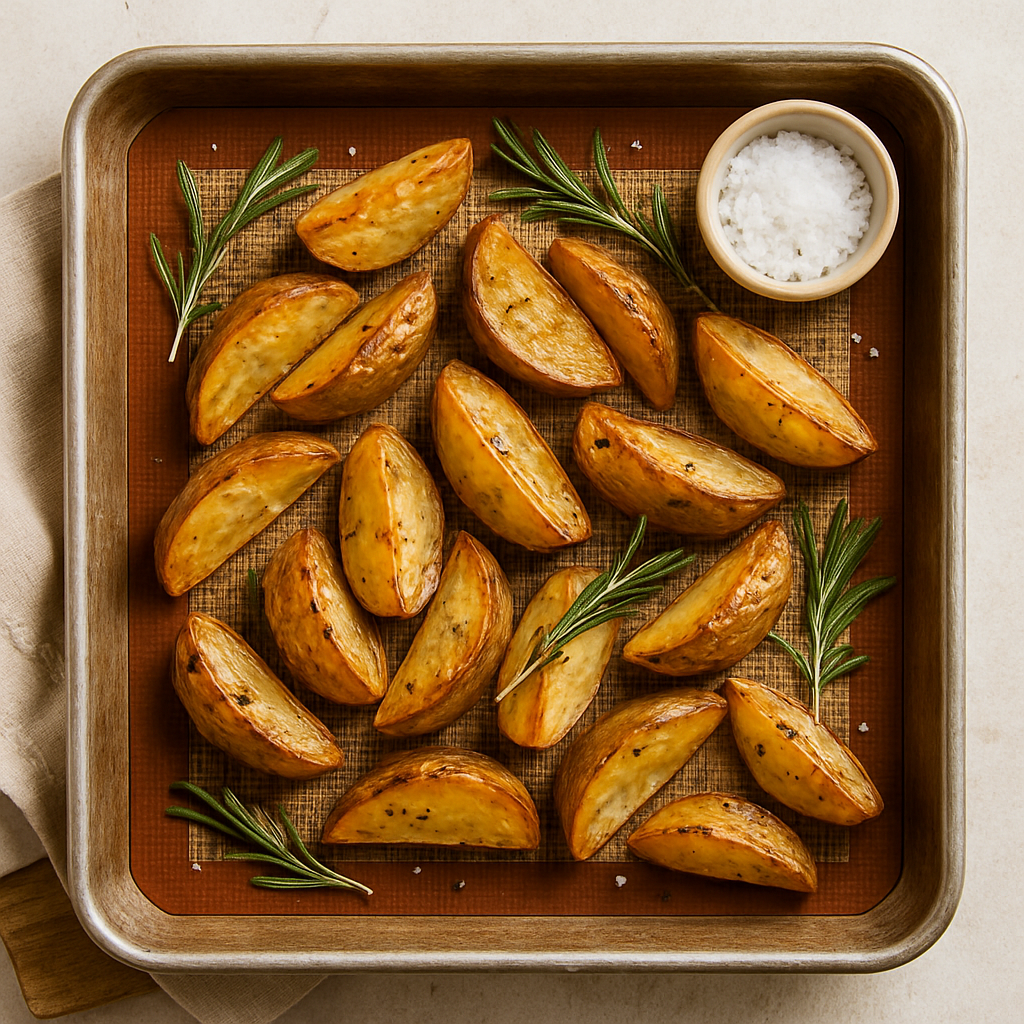
Method: Toss the skins with olive oil and spread on a parchment-lined sheet pan in a single layer. Bake at 425°F for 15–20 minutes, flipping halfway, until golden and crispy. Season immediately with salt and herbs while still hot.
Serve as: A snack, a salad topper, a soup garnish, or a side to sandwiches. They’re addictive, free (you were going to throw them away), and done in under 20 minutes.
Easter leftover move: Making mashed potatoes for dinner? Set the peels aside before you even start. By the time dinner’s done, you can have crispy chips ready as a post-meal snack.
Building the Habit: Your Scrap Collection System
The single best thing you can do to start cooking root-to-stem is create a scrap collection system. Here’s what works for us:
Freezer bag for broth scraps: Onion ends, carrot peels, celery bases, herb stems, garlic skins, mushroom stems. When it’s full (every 2–3 weeks), make broth.
Countertop bowl for “use today” scraps: Broccoli stems, carrot tops, potato skins, citrus peels. These don’t freeze well or are best used fresh. Keep a small bowl on the counter while you cook and process them the same day.
Compost bin for the rest: Avocado pits, banana peels, coffee grounds, eggshells — the stuff that truly can’t be eaten. This is the last stop, not the first.
The mental shift is simple: the trash is not the default. The default is asking, “Can I eat this?” The answer is yes more often than you’d think.
Frequently Asked Questions
Are vegetable scraps actually nutritious, or is this just about reducing waste?
Both. Research published in Frontiers in Nutrition confirms that vegetable by-products are rich in bioactive compounds including carotenoids, polyphenols, and dietary fiber. Broccoli stems specifically contain more cancer-fighting glucosinolates than florets. This isn’t just waste reduction — you’re eating the most nutrient-dense part of the plant.
How long can I keep scraps in the freezer before making broth?
3–4 months in a sealed bag or container. Beyond that, they’ll still be safe but may lose flavor. We usually fill a bag in 2–3 weeks of normal cooking.
What if my scraps aren’t organic? Are pesticide residues a concern?
For peels and skins you’ll eat directly (potato skins, citrus peels), organic is worth prioritizing. For broth scraps that will be strained out, conventional produce is fine — the simmering and straining process reduces residue significantly. Always wash scraps thoroughly regardless.
What’s the difference between root-to-stem and nose-to-tail?
Root-to-stem refers to using every part of a plant (leaves, stems, peels, seeds). Nose-to-tail is the animal equivalent (using organs, bones, fat, skin). Both philosophies share the same principle: respect the whole ingredient, waste nothing, and discover that the “scraps” are often the best part.
Keep Reading
The Clean Pantry Reset — Get your storage organized so these scraps actually get used instead of lost.
Spring Kitchen Reset: 9 Clean Swaps — The broader reset that started this whole series.
Zero-Waste Freezer Blueprint — Where your scrap collection bag lives. Here’s how to make the whole freezer work smarter.
Cooking a big Easter dinner this weekend? Save your scraps and try at least one of these root-to-stem recipes. Then drop a comment and tell me which one you made — especially if you tried the ham bone broth. The best ideas come from readers who are actually doing this in their kitchens.
New posts every Tuesday and Friday. Follow MZWK for recipes, kitchen science, and practical guides that make clean living feel doable, not preachy.